Is It Possible To Data Recovery Services ?
 0
0
 0
0
When data loss occurs due to a formatted drive, many people wonder if recovery is possible and, if so, what methods they can use. In this article, we explore the possibility of recovering data from a storage medium with a Windows file system (such as HDDs, USB drives, or memory cards) and outline the tools and techniques available for both Windows and Linux environments.
Understanding the Premise of Data Recovery
The primary rule for recovering data from a formatted drive is to leave the drive “intact.” This means avoiding any actions that could overwrite the data that is still recoverable. When a hard drive or storage device is formatted, the data is not immediately destroyed. Instead, the system marks the data as “deleted,” but the physical data remains intact until new data overwrites it.
To successfully recover data, the first step is to avoid using the drive for any further operations. This is why it is essential to connect the drive to a system as an external or internal storage unit without loading the operating system directly from it, as this could lead to overwriting the data.
Data Recovery Programs for Windows and Linux
Using Windows-Based Recovery Programs
When attempting to recover data from a Windows-formatted disk, it’s essential to use data recovery software that operates within the Windows environment. Several recovery programs allow you to scan for and restore deleted files on drives formatted with Windows file systems (like NTFS, FAT32, or exFAT).
However, it’s crucial to ensure that the program is compatible with the drive’s file system and partition structure. If the data recovery program writes to the drive itself, there is a risk of overwriting the lost data.
-
R-Linux for Windows: For those dealing with Linux-based file systems like EXT2 or EXT3, using R-Linux (a Linux data recovery tool) can be beneficial, as it allows the recovery of data from Linux partitions on a Windows system. The program should be run on a separate drive or partition from the one you want to recover data from, ensuring the process does not interfere with the data you’re attempting to restore.
Using Linux-Based Data Recovery Programs
If you’re dealing with a Linux-based partition or need more specialized recovery methods, using a Linux-specific data recovery tool can be more effective. Programs like R-Linux for Linux or other recovery tools designed for Linux can offer better results for recovering data from Linux-based file systems, such as EXT2, EXT3, or EXT4.
One important consideration when using Linux recovery tools is that the Linux distribution itself must be installed on a different hard drive than the one you want to recover data from. This is to ensure that no accidental overwriting of files occurs on the drive you’re working to recover from.
-
R-Linux for Linux: This tool is available for Linux platforms such as Debian/Ubuntu (DEB package) and Fedora/Red Hat (RPM package). Both 32-bit (x86) and 64-bit (x64) versions are available, allowing flexibility depending on your system’s architecture. By using a separate Linux drive and recovery software, you can avoid the risk of overwriting data on the drive you’re attempting to recover.
Precautions to Take During Data Recovery
-
Avoid Writing to the Drive: As mentioned earlier, once you realize that data loss has occurred, it is crucial to stop using the drive. Any new data written to the drive can overwrite the deleted files, making recovery much more difficult or impossible.
-
Use a Separate Drive: Always use a different drive for installing recovery software and for saving recovered files. This ensures that the original drive remains intact and avoids the risk of overwriting any recoverable data.
-
Choose Reliable Recovery Tools: While some recovery programs claim to be able to retrieve data from formatted drives, not all of them are equally effective. It’s essential to choose well-reviewed, reputable software for your recovery efforts.
-
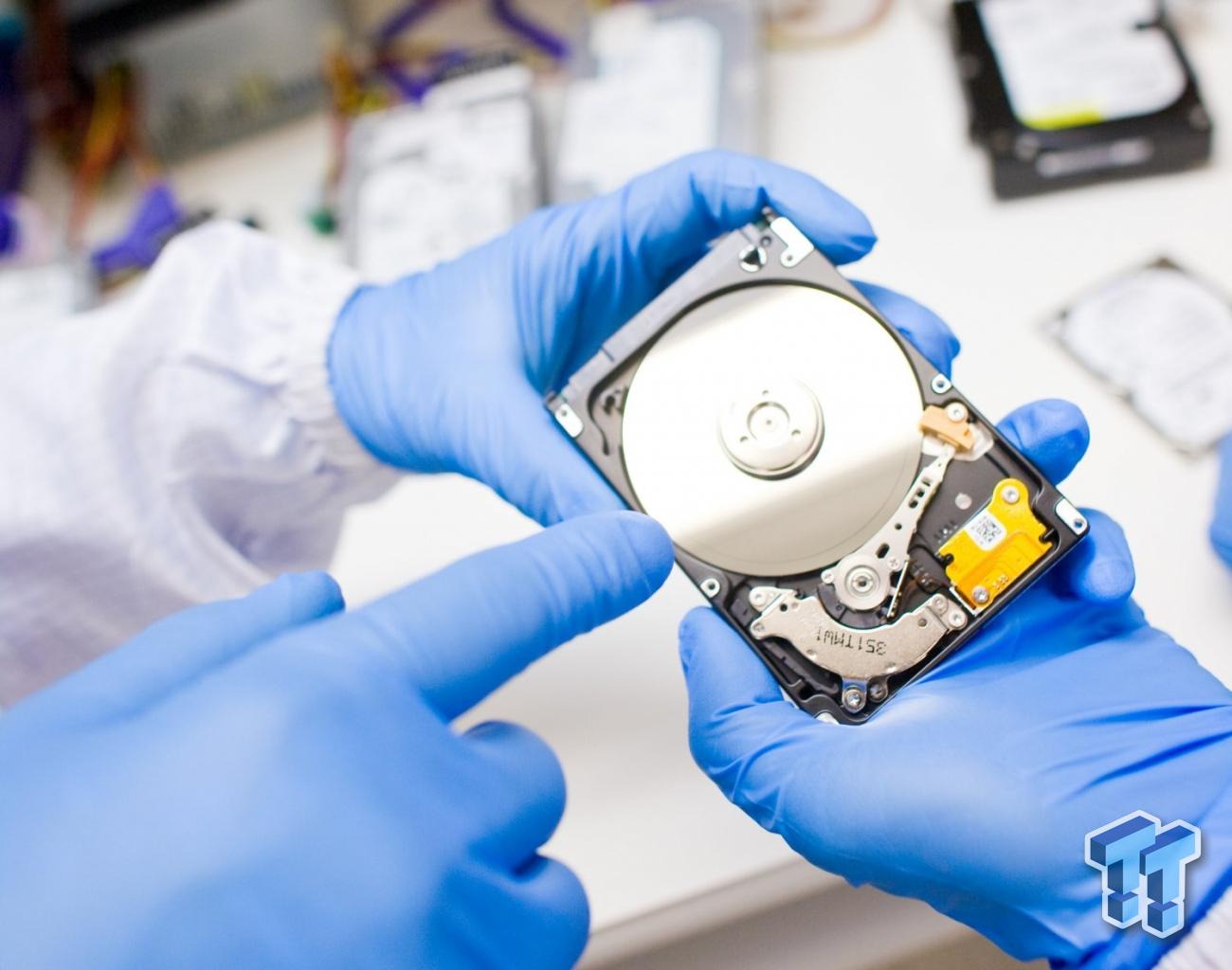
Consider Professional Recovery Services: If the data is extremely important or the recovery process is too complex, professional data recovery services can offer more advanced tools and expertise. They can assist in recovering data from drives that have been fully formatted, damaged, or corrupted.
Conclusion: Is Data Recovery Possible After Formatting?
Yes, data recovery is possible after a drive is formatted, as long as the data hasn’t been overwritten by new files. The key is to stop using the drive immediately after realizing data loss has occurred and to use the appropriate data recovery software. Whether you are using a Windows-based or Linux-based recovery tool, the goal is the same: to recover as much data as possible without causing further damage.
For Windows users, software like R-Linux for Windows or other well-known recovery programs can be effective for recovering data from formatted drives. If the drive uses a Linux file system, it’s better to use Linux-based recovery programs to increase the chances of success.
If you’re unsure about the process or need help with complex recovery situations, professional data recovery services can offer the expertise and tools necessary to retrieve lost information safely and efficiently.