10 Facts Everyone Should Know About Computer Forensics
 0
0
 0
0
Computer forensics is a specialized field focused on recovering, preserving, and analyzing data from computers and digital devices to gather evidence, typically used in legal proceedings. As the digital world expands, the need for computer forensic investigators has grown, especially in addressing crimes like cybercrime, fraud, child pornography, embezzlement, and other criminal activities. Below are 10 essential facts that everyone should know about computer forensics.
1. A Relatively New Field
Computer forensics emerged in the early 1990s in response to an increase in computer-related crimes. As technology began to play a more prominent role in everyday life, so did the need to examine and understand digital crimes and evidence.
2. Specialized Training and Skills Are Required
Forensic investigators in this field must have advanced knowledge of both how computers function and how cybercriminals exploit them. The expertise needed ranges from technical proficiency in operating systems to an understanding of how to gather and preserve digital evidence without tampering with it.
3. A Variety of Tools and Techniques Are Used
To carry out effective investigations, forensic experts utilize several tools and techniques, such as:
-
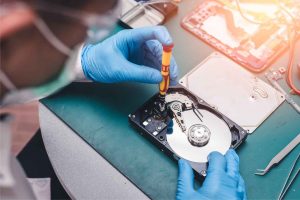
Data Recovery: Extracting data from corrupted or damaged storage devices like hard drives or USB flash drives.
-
Disk Analysis: Studying the structure of hard disks to uncover deleted files and hidden data.
-
Network Analysis: Monitoring and analyzing network traffic to detect suspicious or criminal activity.
4. Data Recovery Plays a Key Role
One of the most important aspects of computer forensics is data recovery. Experts are tasked with retrieving data from damaged storage devices, which is crucial when investigating cases where vital evidence has been erased or corrupted. Forensics can also uncover hidden files or data that criminals may have attempted to delete.
5. Live Forensics: Evidence Collection in Real-Time
In live forensics, investigators collect evidence from a running computer system that is still connected to a network. This technique allows them to gather volatile data (such as open documents or live connections) that would be lost if the system were shut down. This approach is critical in situations where immediate action is necessary.
6. Strict Guidelines Ensure Integrity
Investigators must adhere to a strict set of protocols to ensure the integrity of the evidence collected. Any contamination or mishandling of evidence could render it inadmissible in court. These guidelines include maintaining a chain of custody, documenting every step, and preserving the original state of the device.
7. Time-Consuming and Expensive Process
A thorough computer forensic investigation can take weeks or even months to complete. The process requires meticulous attention to detail, often involving a deep dive into large amounts of data. As such, it can be costly, especially if the case involves complex or high-profile criminal activity.
8. Collaboration with Law Enforcement
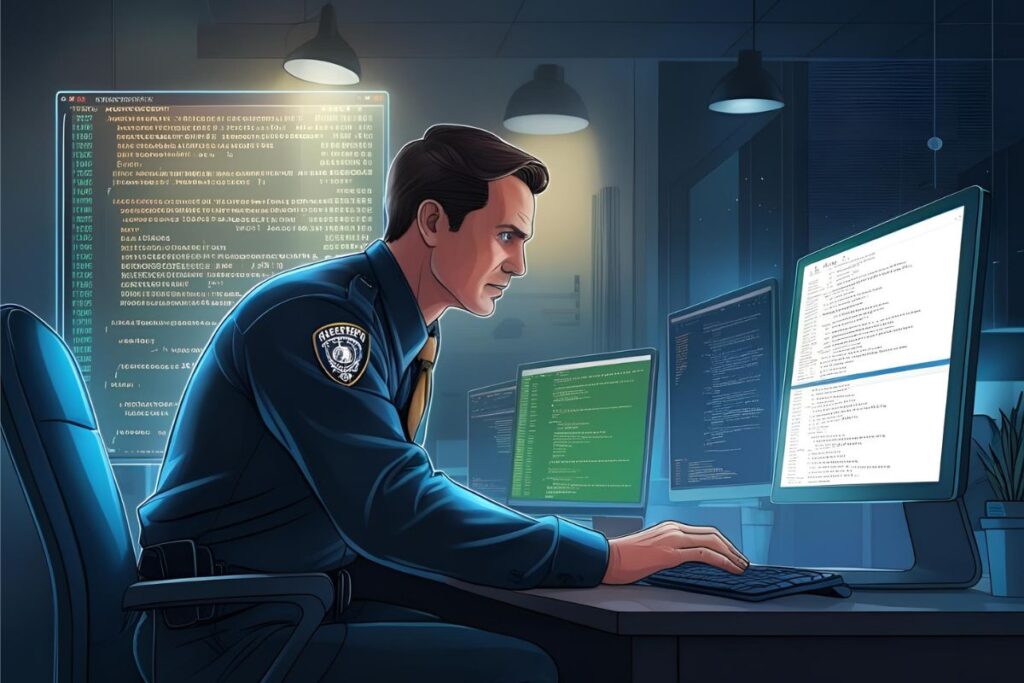
Investigators in the field of computer forensics frequently work alongside law enforcement agencies, such as the FBI, to investigate cybercrimes. This collaboration ensures that forensic techniques are used to uncover evidence that supports legal investigations and proceedings.
9. Constantly Evolving Field
As technology continues to evolve, so do the methods and tools used in computer forensics services. Investigators must continuously adapt to new software, devices, and cybercriminal tactics. Staying current with technological advancements is essential to ensuring successful investigations.
10. Critical for Justice and Crime Prevention
Computer forensics plays a significant role in protecting people’s rights and fighting crime. The field is vital for uncovering evidence in criminal cases, preventing further cybercrimes, and ensuring that perpetrators are brought to justice. Its importance continues to grow as more criminal activity moves to the digital space.
Conclusion
Computer forensics is an essential and ever-evolving field that supports criminal investigations and protects the public. It requires specialized knowledge and expertise, as investigators must navigate complex digital environments to recover crucial evidence. Whether working to solve cybercrimes, track embezzlers, or investigate fraud, forensic specialists play a crucial role in upholding justice in the digital age. For those looking to pursue a career in this field, staying up to date with new technologies and methods will be key to success.