Data Analyzers From A Hard Drive After A System Crash
 0
0
 0
0
Experiencing a system crash can be a nightmare, especially if it results in the loss or corruption of important data stored on your hard drive. Fortunately, even if the hard drive appears damaged or corrupted after a system failure, you don’t need to be a computer genius to recover the data. Thanks to specialized data recovery programs and tools, anyone with the right software can perform data analysis and potentially recover lost files from a compromised hard drive.
In this article, we will explore how data analyzers can help recover data after a system crash, the common causes of data corruption, and the steps you can take to prevent data loss in the future.
Why Does Data Corruption Happen?
There are several common reasons why data corruption or loss occurs after a system crash. Understanding these reasons can help you better protect your data in the future.
1. Power Surges and Failures
Power surges or sudden power outages are one of the most frequent causes of system crashes and data loss. When power spikes or cuts out while your computer is running, the sudden change can cause your hard drive’s read/write heads to malfunction, which may corrupt the data being written at the time. In some cases, this can even damage the hard drive physically.
2. Overheating
Another major cause of hard drive failure is overheating. Modern computers generate a lot of heat, and if cooling systems such as fans or air vents become clogged with dust or are not functioning properly, the internal components can overheat. Excessive heat can cause damage to the hard drive’s components, resulting in data corruption.
3. Software Bugs and Malware
Software bugs and malicious software (malware) can also be responsible for system crashes. Bugs in the operating system or installed software can lead to crashes, while malware can corrupt files, delete data, or make it inaccessible. This can be especially problematic if the malware targets the hard drive’s file system or the partition table, making recovery more difficult.
4. Physical Damage
While software-related issues are a common cause of data corruption, physical damage to the hard drive can also result in lost data. If a hard drive is dropped, exposed to water, or subjected to other physical shocks, the internal components can become damaged, rendering the data unreadable.
Can Data Be Recovered After a System Crash?
Yes, in most cases, data recovery is possible after a system crash, provided the physical hardware is not severely damaged. Data recovery software, often referred to as “data analyzers,” can scan the hard drive for readable data and attempt to recover it.
How Do Data Analyzers Work?
Data analyzers are specialized programs that work by scanning the hard drive for files and file fragments. These programs operate on a low level, bypassing the operating system and directly interacting with the disk’s storage sectors. Here’s how data analyzers typically function:
-
File System Detection: The program first attempts to detect the file system (NTFS, FAT32, ext4, etc.) of the damaged drive. If the file system is intact, the software may recover files quickly and with minimal effort.
-
Signature-Based Recovery (File Carving): If the file system is corrupt or missing, the data recovery program may use signature-based recovery techniques, also known as “file carving.” This involves searching the raw disk sectors for file signatures, such as those corresponding to common file types (e.g., JPEG, PDF, DOCX). The program can then attempt to reconstruct fragmented files from the recovered data.
-
Partition Table Recovery: In some cases, the program will scan for lost or deleted partitions and attempt to rebuild the partition table. If successful, this can restore access to entire volumes of data.
-
Preview and Recovery: Once the data is found, many programs allow users to preview the recovered files before performing the actual recovery. This helps ensure that only the necessary files are recovered, saving time and storage space.
Limitations of Data Recovery Tools
While data analyzers can be very effective, there are some limitations:
-
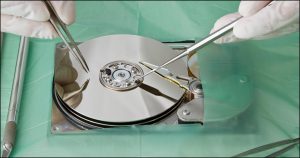
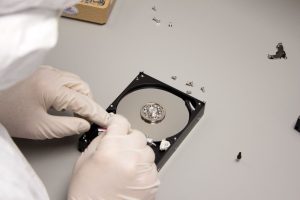
Physical Damage: If the hard drive has suffered physical damage, such as a head crash or motor failure, data recovery may require professional assistance. Software alone won’t be enough in such cases.
-
File Fragmentation: In cases where files are fragmented, data recovery tools may only recover partial files, which can be unusable or corrupted.
-
Overwritten Data: If new data has been written to the hard drive after the crash, it may overwrite the old data, making it impossible to recover.
-
File System Corruption: In some instances, the file system may be too corrupted to recover. In such cases, more advanced data recovery methods or professional services may be required.
How to Prevent Data Loss in the Future
While data recovery software is a valuable tool, prevention is always better than cure. To minimize the risk of data loss, follow these best practices:
1. Use a UPS (Uninterruptible Power Supply)
Power outages and surges are common causes of data loss. Installing a UPS can protect your computer and hard drive from sudden power failures. A UPS provides backup power during outages, allowing you to safely shut down your computer and avoid data corruption.
2. Ensure Proper Cooling
To prevent overheating, ensure that your computer’s cooling system is functioning properly. Clean the fans and air vents regularly to remove dust buildup. If necessary, upgrade your cooling system to ensure adequate airflow.
3. Install Reliable Antivirus Software
Malware and viruses are a major cause of data corruption. Protect your data by installing reliable antivirus software and keeping it updated regularly. Run periodic scans to detect and eliminate potential threats.
4. Perform Regular Backups
The best way to protect your data is to back it up regularly. Use external hard drives, cloud storage, or both to keep copies of your important files. Automated backup software can ensure that your data is backed up regularly without requiring manual intervention.
5. Keep Your System Updated
Keep your operating system and software up to date with the latest security patches and updates. Many system crashes are caused by software bugs, and keeping your system updated can help prevent these issues.
6. Practice Safe Data Handling
Avoid abrupt shutdowns or improper shutdowns of your computer. Always shut down the system properly to prevent file system corruption. Avoid interrupting ongoing file transfers or installations, as these actions can lead to incomplete data or corruption.
Professional Data Recovery Services
If you’ve tried data recovery software but have not had success, or if the drive has physical damage, it’s time to seek professional help. Local data recovery experts can provide in-depth analysis of the hard drive and use specialized equipment to recover data that cannot be retrieved using standard software tools.
Many data recovery services offer a free media assessment or device evaluation to determine the recoverability and associated costs. This is a good option if you’re unsure whether your hard drive can be saved.
Conclusion
Data analyzers are a powerful tool for recovering data from a hard drive after a system crash. While software solutions are effective in many cases, there are limitations, especially when dealing with physical damage or file system corruption. To reduce the risk of data loss, it’s important to use preventive measures, such as a UPS, reliable antivirus software, and regular backups. In cases where data recovery is beyond your ability, don’t hesitate to consult professional data recovery services for further assistance. By taking the right precautions and knowing how to use data recovery tools, you can protect and recover your valuable files, even after a system failure.