Can Files Always Be Data Recovery From Hard Drives?
 0
0
 0
0
Data loss is an unfortunate reality that most of us will face at some point—whether it’s personal photos, important work documents, or academic projects. The frustration that accompanies losing access to these files is often compounded by the suddenness of the issue. It can happen at any time, and the inability to retrieve data from a hard drive—whether internal or external—can feel devastating.
However, the good news is that in many cases, files can be recovered from a hard drive, even when they seem lost. But there are conditions and limitations to this process, and the chances of successful recovery depend on the nature of the damage.
Physical vs. Logical Damage
Hard drives can experience two primary types of damage: physical and logical.
-
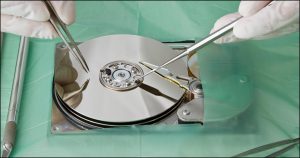
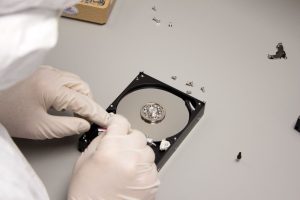
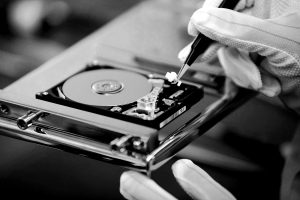
Physical damage occurs when the hardware itself fails due to reasons like overheating, electronic failure, mechanical failure, or physical shock. For example, if a drive’s read/write head fails or the platters become damaged, recovery can be more complicated and often requires a clean room environment and professional equipment.
-
Logical damage refers to issues such as file system corruption, accidental formatting, or malware attacks that prevent access to data. In these cases, the drive may still be physically intact, and the data could potentially be recovered through software tools.
What to Do When You Can’t Access Your Data
If you notice that your hard drive is not working properly, the first thing to do is to stop using the drive immediately. Continued use can overwrite the data, making it harder or even impossible to recover. It is critical to avoid experimenting with free recovery software, as these tools often do more harm than good. They can create additional problems, such as overwriting files or further corrupting data.
The best course of action is to contact a data recovery specialist. These experts have the tools and knowledge to assess the situation and determine the most effective way to recover the files. In many cases, even if the drive is physically damaged, there’s still a chance to retrieve the data.
Replacing the Failed Hard Drive
In some instances, after successful data recovery, the hard drive may still need to be replaced. This is especially true if the failure is due to physical damage. It’s recommended to transfer the recovered data to a new, functioning drive to prevent future data loss.
Hard drives are sensitive components, and the causes of damage—ranging from overheating to logical errors—can vary greatly. Whether the issue is physical or logical, the key to increasing the chances of recovery is to act quickly, stop using the drive, and seek professional help.
For those curious about the condition of their hard drive, there are free tools available to check its health, such as the “standard” edition of a reliable diagnostic program. However, always keep in mind that in-depth analysis and recovery should be left to the experts when dealing with damaged or failing drives.