Data Recovery Services: Includes & Not Include In Services
 0
0
 0
0
In today’s digital world, data loss due to system failure, physical damage, or human error is an ever-present risk for businesses and individuals alike. For those who rely on their hard drives for critical data, the availability of professional data recovery services is invaluable. Companies like Dell provide specific data recovery services for a range of products, including non-RAID hard drives in OptiPlex™, Precision™, Latitude™, and Vostro™ systems. These services are typically available as an add-on and are subject to specific terms. In this article, we’ll delve into the nuances of what data recovery services encompass, and what they do not cover.
What Data Recovery Services Include
1. Data Recovery Attempt within the Warranty Period
At the heart of the service, customers can expect a professional effort to recover data from a failed hard disk drive (HDD) within the warranty period. It’s important to note that this service targets drives that have experienced failure, whether from a system malfunction, accidental deletion, or physical damage. The goal is to retrieve as much data as possible, although success is not guaranteed.
2. Utilization of Class 100 Clean Room Labs
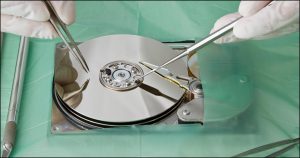
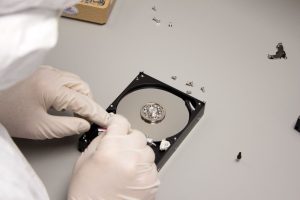
For hard drives that require specialized attention, particularly those with physical damage, recovery services may use a clean room lab. A class 100 clean room is a controlled environment with a minimal level of airborne particles, which is essential for the delicate processes of disassembling and rebuilding drives to retrieve data. This highly controlled setting is crucial for preventing further damage to sensitive components during recovery.
3. Data Recovery Media
Once the data is successfully recovered, the customer is provided with the data in the form of external storage media. The options typically include USB memory sticks, USB hard drives, or CDs. The choice of medium depends on the volume of data being recovered. For instance, large volumes of data may necessitate the use of external hard drives, while smaller data sets can be transferred to USB flash drives. The Data Recovery Team will determine the most suitable storage medium unless the customer makes a specific request for a preferred option.
4. No Additional Charges for Recovered Data Media
One of the key advantages of professional data recovery services is that once the data is recovered, the customer retains possession of the storage media at no additional cost. This is a transparent aspect of the service, ensuring that the customer does not incur unforeseen expenses for the hardware required to deliver their recovered data.
5. Service Term and Scope
The data recovery service is provided for the term specified on the invoice. This typically includes the duration of the recovery attempt, which is often limited to a few weeks, depending on the complexity of the recovery process and the condition of the hard drive. Beyond this period, further attempts or ongoing monitoring may require an additional fee.
6. Access to the Dell Data Protection Portal
For customers seeking real-time updates on the status of their recovery efforts, data recovery services often come with access to a secure online portal. The Dell Data Protection portal allows customers to track the progress of their recovery, providing transparency and peace of mind as the recovery process unfolds.
What Data Recovery Services Do Not Include
1. No Guarantee of Full Data Recovery
It is important to understand that while data recovery services make a significant effort to recover lost files, they do not guarantee that all data will be retrieved. Factors such as the extent of the damage to the hard drive, the type of failure, and whether the data has been overwritten can all impact the success of the recovery attempt. The service aims to recover as much data as possible, but there may be cases where some files are irretrievable.
2. Data Destruction or Backup Services
The scope of data recovery services does not extend to data destruction or proactive backup services. If the customer requires secure data destruction or wishes to have their data backed up as part of the recovery process, these services would need to be arranged separately. Similarly, if data backup services are needed before a recovery attempt is initiated, this would not fall under the data recovery scope.
3. Additional Services Beyond Data Recovery
Several services, such as installation, deinstallation, relocation of hardware, preventative maintenance, training assistance, and remote administration, are not part of the standard data recovery service. Customers in need of these services would need to seek them separately from their recovery provider or another service offering.
4. Support for Third-Party Products or Unsupported Versions
Another critical exclusion to be aware of is that data recovery services typically do not extend to third-party products or versions of the hardware or software that are not officially supported by the manufacturer. In some cases, hardware may be using unofficial firmware, or third-party components may not be covered under the recovery agreement. For customers utilizing non-standard configurations, it is essential to check whether their specific setup is eligible for recovery services.
Conclusion
Data recovery services provide a vital lifeline for individuals and businesses facing data loss due to hard drive failures. While these services offer substantial support in retrieving lost files, it is important to recognize that no service can guarantee 100% recovery. Understanding the inclusions and exclusions of such services helps set the right expectations and allows for more informed decision-making when choosing the right recovery solution.
Ultimately, data recovery is a highly specialized process, and while these services can help mitigate the loss, the best way to avoid data loss is through regular backups, proactive maintenance, and a well-implemented data management strategy.