How Advanced Computer Forensics Reveals Digital Truths
 0
0
 0
0
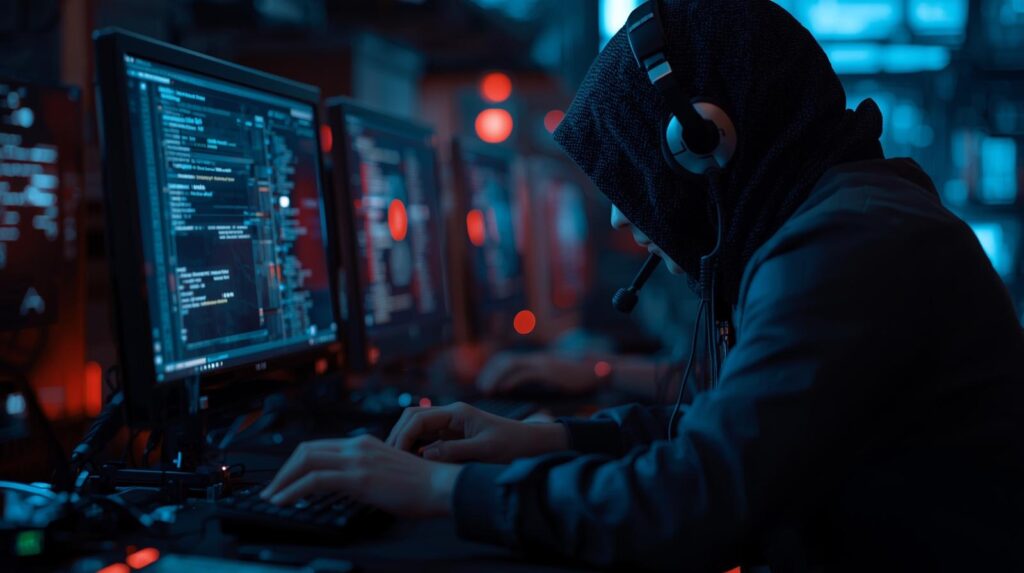
Cyber threats and data breaches are increasing every year. Businesses, government agencies, and individuals face attacks that can compromise sensitive information. I rely on advanced computer forensics to uncover digital truths, investigate breaches, and protect critical data. Every device, file, and log can provide a clue. Without proper investigation, valuable evidence may disappear, making it harder to resolve incidents or prevent future attacks.
Computer forensics allows me to recover deleted files, track unauthorized access, and analyze system behavior. By examining digital artifacts, I can reconstruct events and provide actionable insights. This process ensures organizations not only respond to breaches but also strengthen security for the future.
Understanding Advanced Computer Forensics
Advanced computer forensics involves collecting, preserving, analyzing, and reporting on digital evidence. I approach each case systematically to ensure accuracy and maintain legal credibility. Whether it’s investigating malware infections, insider threats, or unauthorized data access, every step provides critical information.
Computer forensics examines desktops, laptops, servers, and other digital storage devices. These devices often hold the key to understanding how cyber incidents occurred. By analyzing file systems, log files, Windows registries, and metadata, I can reveal patterns that indicate suspicious activity.
Key Techniques Used in Computer Forensics
The tools and techniques I use depend on the nature of the investigation. Common approaches include:
-
Data Acquisition: I create forensic images to preserve data integrity without altering original files.
-
File Analysis: I recover deleted or hidden files, examine system logs, and track user activity.
-
Malware Examination: I dissect malicious code to understand its behavior, origin, and purpose.
-
Email and Network Analysis: I trace communication patterns, detect phishing attacks, and identify unauthorized access.
These techniques allow me to reconstruct digital events accurately. In many cases, they provide evidence for legal proceedings, regulatory compliance, or internal investigations.
The Role of Computer Forensics in Cybersecurity
Computer forensics is not just about responding to incidents; it also strengthens cybersecurity strategies. By uncovering system vulnerabilities, I help organizations prevent future breaches. Every investigation reveals gaps in security protocols, user behavior, or system configurations that could be exploited.
Furthermore, combining computer forensics with proactive monitoring ensures organizations detect threats early. This approach minimizes the impact of cyber attacks and allows rapid response. Over time, companies develop a more resilient digital infrastructure.
Preserving Digital Evidence
Maintaining the integrity of digital evidence is essential. I follow strict chain-of-custody procedures to document every action. This ensures evidence is admissible in court or regulatory inquiries.
Confidentiality is also critical. During investigations, sensitive corporate and personal data remain protected. By securing evidence and handling it ethically, I help organizations build trust and maintain compliance with data protection regulations.
Benefits of Advanced Computer Forensics Services
Working with a skilled computer forensics professional provides multiple advantages:
-
Rapid Data Recovery: I recover lost or compromised files efficiently.
-
Incident Analysis: I determine how breaches occurred and who may be responsible.
-
Vulnerability Identification: I pinpoint weaknesses to prevent future attacks.
-
Regulatory Compliance: Detailed reports help organizations meet legal and cybersecurity standards.
-
Enhanced Security Posture: Recommendations improve long-term digital resilience.
These services empower organizations to respond confidently to cyber threats and protect critical assets.
Conclusion
Advanced computer forensics uncovers digital truths hidden within devices, files, and system logs. By combining data acquisition, file analysis, malware examination, and network monitoring, I reconstruct events accurately. Organizations gain actionable insights that protect sensitive information, prevent future incidents, and strengthen cybersecurity defenses.
In today’s digital world, professional computer forensics services are more than a reactive measure; they are a strategic tool for resilience and security. With precise investigation and ethical handling of evidence, businesses can face cyber threats with confidence and maintain trust with their stakeholders.